Extrait de Parfum vs. Eau de Parfum: Was ist der Unterschied?
Aktie
Sie stehen vor einem Parfümstand – oder wahrscheinlicher, scrollen durch eine Produktseite – und sehen die Begriffe Extrait de Parfum , Eau de Parfum , Eau de Toilette . Sie klingen alle elegant. Sie klingen alle französisch. Aber sie bedeuten nicht alle dasselbe, und der Unterschied ist nicht nur Marketingsprache. Er ist der entscheidende Faktor dafür, wie Ihr Duft riecht, wie lange er hält und ob er bis zum Mittagessen unauffällig verfliegt oder noch um Mitternacht für Aufsehen sorgt.
Falls Sie sich jemals gefragt haben, warum eine Flasche doppelt so viel kostet wie eine andere oder warum Ihr Parfüm innerhalb einer Stunde zu verfliegen scheint, während das von jemand anderem den ganzen Tag anhält, erhalten Sie jetzt die Antwort.
Lasst uns das Ganze mal genauer betrachten – ohne Fachjargon, ohne Ausgrenzung, einfach die ungeschminkte Wahrheit darüber, was sich tatsächlich in der Flasche befindet.
Was bedeutet „Parfümkonzentration“ eigentlich?
Jeder Duft, den Sie jemals getragen haben, ist eine Mischung aus zwei Dingen: Parfümöl (den aromatischen Verbindungen, die den Duft erzeugen) und einem Trägerstoff, der in der Regel eine Mischung aus Ethanol und Wasser ist.
Die Konzentration gibt den prozentualen Anteil an Parfümöl in der Mischung an. Mehr Öl bedeutet einen reichhaltigeren, intensiveren Duft, der länger auf der Haut haftet. Weniger Öl hingegen sorgt für ein leichteres, luftigeres Dufterlebnis, das schneller verfliegt.
Das ist der Kern der ganzen Diskussion um Eau de Toilette, Eau de Parfum und Extrait de Parfum. Die Konzentration bestimmt nahezu alles – die Intensität, die Haltbarkeit, die Sillage (diese wundervolle Duftspur, die man beim Durchqueren eines Raumes hinterlässt) und natürlich auch den Preis.
Das Duftkonzentrationsspektrum
Hier wird es konkret. Die Duftstoffindustrie unterscheidet verschiedene Konzentrationskategorien, und obwohl die genauen Prozentsätze zwischen den einzelnen Herstellern leicht variieren können, gelten folgende Bereiche als allgemein anerkannt:
| Konzentrationstyp | Parfümöl % | Typische Lebensdauer | Silage | Am besten geeignet für |
|---|---|---|---|---|
| Eau Fraiche | 1 – 3% | 1 – 2 Stunden | Sehr subtil | Eine kurze Aktualisierung |
| Eau de Cologne | 2 – 5 % | 2 – 3 Stunden | Licht | Lässiges, warmes Wetter |
| Eau de Toilette (EDT) | 5 – 15 % | 3 – 5 Stunden | Mäßig | Alltagskleidung, Büro |
| Eau de Parfum (EDP) | 15 – 20% | 5 – 8 Stunden | Bemerkbar | Abends, vielseitig |
| Extrait de Parfum | 20 – 40% | 8 – 24 Stunden | Robust und langlebig | Besondere Anlässe, den ganzen Tag |
Betrachten Sie diese Zahlen genau. Ein Extrait de Parfum kann zwei- bis dreimal so viel Parfümöl enthalten wie ein Eau de Parfum und bis zu achtmal so viel wie ein Eau de Cologne. Das ist kein geringfügiger Unterschied – es ist ein grundlegend anderes Dufterlebnis auf der Haut.
Extrait de Parfum: Die ganze Geschichte
Was genau ist also extrait de parfum?
Extrait de Parfum – auch Parfum , reines Parfüm oder einfach Extrait genannt – steht an der Spitze der Duftkonzentrationshierarchie. Mit einer typischen Konzentration von 20 % bis 40 % ist es die stärkste verfügbare Parfümkonzentration.
Aber „am stärksten“ bedeutet nicht „am lautesten“. Das ist ein weit verbreiteter Irrtum. Bei einem gut komponierten Extrait de Parfum geht es nicht darum, einen Raum zu überfluten. Es geht um Tiefe, Komplexität und Entwicklung. Da die Konzentration an Duftstoffen so hoch ist, erlebt man den Duft auf eine ganz andere Art und Weise:
Die Kopfnote ist weicher. In geringeren Konzentrationen können diese anfänglich hellen, flüchtigen Noten in den ersten Sekunden scharf oder sogar etwas alkoholisch wirken. Bei einem Extrakt sorgt das höhere Öl-Alkohol-Verhältnis dafür, dass der Auftakt von Anfang an reichhaltiger und runder ist.
Das Herzstück des Duftes offenbart sich langsamer. Mit zunehmender Hautfettmenge entfaltet sich der Duft nach und nach. Man erlebt nicht die ganze Geschichte in den ersten fünfzehn Minuten – er entwickelt sich ständig weiter, manchmal über Stunden.
Die Basisnoten sind grandios. Hier entfalten Extrakte ihre ganze Pracht. Diese tiefen, warmen, erdenden Noten – Hölzer, Moschus, Harze, Amber – haben die nötige Konzentration, um sich voll zu entfalten. In leichteren Kompositionen gehen sie oft unter. Als Extrakt bilden sie das Fundament für einen wahrhaft luxuriösen Duft.
Die Haltbarkeit ist deutlich besser. Wie lange hält ein Parfüm? Bei einem Extrait de Parfum können Sie je nach Komposition, Hauttyp und Duftnoten mit 8 bis 24 Stunden rechnen. Im Vergleich dazu hält ein Eau de Toilette etwa 3 bis 5 Stunden.
Eau de Parfum: Der beliebte Mittelweg
Eau de Parfum liegt üblicherweise im Konzentrationsbereich von 15 bis 20 % und ist daher nicht umsonst zum Standard der meisten Designer- und Nischenparfümhäuser geworden. Es bietet die perfekte Balance: genug Konzentration, um den ganzen Arbeitstag über zu halten, ausreichend Sillage, um wahrgenommen zu werden, aber im Allgemeinen ein leichteres Tragegefühl als ein vollständiges Extrakt.
Für viele ist Eau de Parfum die ideale Wahl. Es ist vielseitig, weit verbreitet und in der Regel günstiger als Extrakte. Gegen ein gut gemachtes Eau de Parfum spricht absolut nichts.
Wenn Sie allerdings schon einmal nach vier oder fünf Stunden Ihr Eau de Parfum erneut aufgetragen haben und sich gewünscht haben, es würde einfach halten , dann kennen Sie diese Einschränkung bereits.
Extrait de Parfum vs. Eau de Parfum: Ein direkter Vergleich
Stellen wir sie nebeneinander, damit die Unterschiede ganz deutlich werden:
| Eau de Parfum | Extrait de Parfum | |
|---|---|---|
| Konzentration | 15 – 20% | 20 – 40% |
| Langlebigkeit | 5 – 8 Stunden | 8 – 24 Stunden |
| Silage | Mittelstark bis stark | Stark, nah, einhüllend |
| Anwendung | 3 – 5 Sprühstöße | 1 – 2 Sprühstöße (oder Tupfen) |
| Duftentwicklung | Auffällige Stadien | Allmähliche, nuancierte Entfaltung |
| Preis | Mittlere bis hohe | Höher |
| Alkoholgehalt | Höher | Untere |
| Hautempfindlichkeit | Kann austrocknend wirken | Sanfter zur Haut |
Ein Detail, das viele überrascht: Da Extrakte weniger Alkohol und mehr Öl enthalten, sind sie oft sanfter zu empfindlicher Haut. Falls Sie jemals bemerkt haben, dass Parfüm Ihre Haut reizt oder austrocknet, liegt das möglicherweise am Alkoholgehalt in geringeren Konzentrationen und nicht am Duftstoff selbst.
Warum beeinflusst die Konzentration den Preis?
Das ist die Frage, die sich jeder stellt, aber nicht jeder. Wenn ein Extrait de Parfum mehr kostet, ist es dann auch wirklich mehr wert oder handelt es sich nur um einen Prestige-Preis?
Die ehrliche Antwort: Die Herstellung ist tatsächlich teurer.
Parfümöle – insbesondere hochwertige natürliche Inhaltsstoffe wie echtes Oud, Irisbutter, türkisches Rosenöl oder erstklassiges Sandelholz – zählen zu den teuersten Rohstoffen der Welt. Verdoppelt oder verdreifacht sich die Konzentration dieser Inhaltsstoffe in einer Rezeptur, steigen die Produktionskosten erheblich. Ein einziges Kilogramm Irisbutter kann beispielsweise mehr kosten als Gold.
Hinzu kommt die Komplexität der Formulierung. Einen Duft zu kreieren, der bei einer Konzentration von 30 oder 40 % perfekt wirkt, ist eine ganz andere Herausforderung als die Formulierung eines Duftes mit 15 %. Der Parfümeur muss berücksichtigen, wie diese höheren Konzentrationen mit der Haut interagieren, wie die Duftnoten bei dieser Dichte harmonieren und wie sich der Ausklang über viele Stunden entwickelt. Das erfordert Geschick und, ehrlich gesagt, teurere Inhaltsstoffe, die auch bei diesen Konzentrationen ihre Wirkung entfalten können.
Dies ist einer der Gründe, warum Parfümeure, die an Institutionen wie ISIPCA – einer der weltweit renommiertesten Parfümschulen im französischen Versailles – ausgebildet wurden, jahrelang nicht nur studieren, welche Inhaltsstoffe gut riechen, sondern auch, wie sie sich in unterschiedlichen Konzentrationen, auf verschiedenen Hauttypen und über die gesamte Lebensdauer eines Duftes verhalten.
Wie wählt man: EDP oder Extrakt?
Hier gibt es keine allgemeingültige „richtige“ Antwort. Es kommt darauf an, was Sie von Ihrem Duft erwarten. Hier sind einige hilfreiche Richtlinien:
Wählen Sie ein Eau de Parfum, wenn:
- Sie bevorzugen eine leichtere Duftintensität
- Sie tragen es gerne mehrmals täglich auf (manche Leute lieben dieses Ritual regelrecht).
- Sie wünschen sich Vielseitigkeit für legere und formelle Anlässe zu einem erschwinglicheren Preis.
- Du bist noch dabei, herauszufinden, welche Duftfamilien dir gefallen.
Wählen Sie ein Extrait de Parfum, wenn:
- Sie möchten eine einzige Anwendung, die Sie vom Morgen bis zum Abend begleitet.
- Sie schätzen die Tiefe und Komplexität eines Duftes, der sich auf Ihrer Haut entfaltet.
- Sie stören sich an Düften, die zu schnell verfliegen.
- Sie bevorzugen einen Duft, der nah und intim wirkt, anstatt sich im ganzen Raum zu verbreiten.
- Sie legen Wert auf hochwertige Zutaten und handwerkliches Können.
Hier ein Tipp, der Ihre Sicht auf den Preisunterschied verändern könnte: Da Extrakte so hochkonzentriert sind, benötigen Sie pro Anwendung deutlich weniger. Ein bis zwei leichte Tupfer oder Sprühstöße genügen, im Vergleich zu den drei bis fünf Sprühstößen, die Sie bei einem Eau de Parfum verwenden würden. Eine Flasche Extrakt hält oft wesentlich länger als eine Flasche Eau de Parfum, was die Kosten pro Anwendung erheblich beeinflusst.
Eine Anmerkung dazu, warum wir uns für den Auszug entschieden haben
Bei JOOJINA ist jeder Duft, den wir herstellen, ein Extrait de Parfum. Das war keine Marketingentscheidung – es war eine kreative.
Unsere Gründerin, Joanne Desiree Franck, absolvierte ihre Ausbildung am ISIPCA in Versailles und an der Sorbonne und arbeitete jahrelang für renommierte Häuser wie Chanel, Guerlain und Clarins sowie mit führenden Parfümeuren bei MANE und Takasago zusammen. Aus dieser Erfahrung heraus gelangte sie zu einer einfachen Erkenntnis: Die schönste Version eines Duftes ist die konzentrierteste. Die volle Tiefe. Die ganze Geschichte.
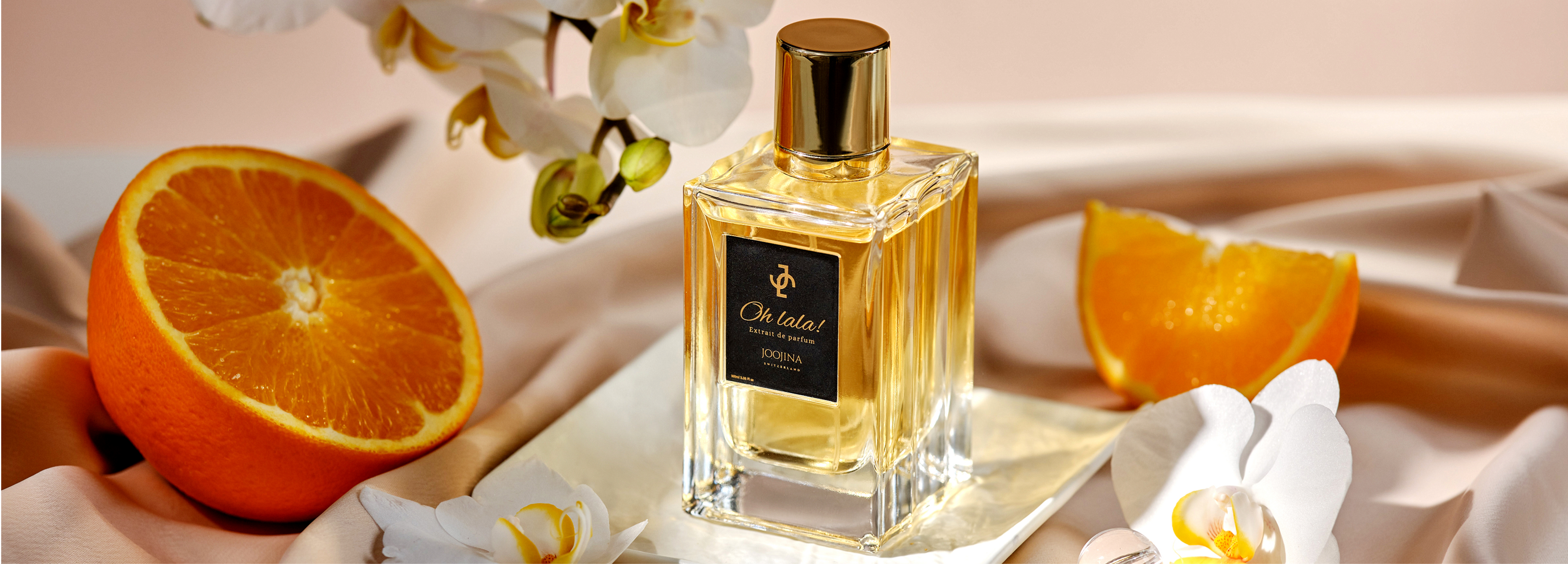
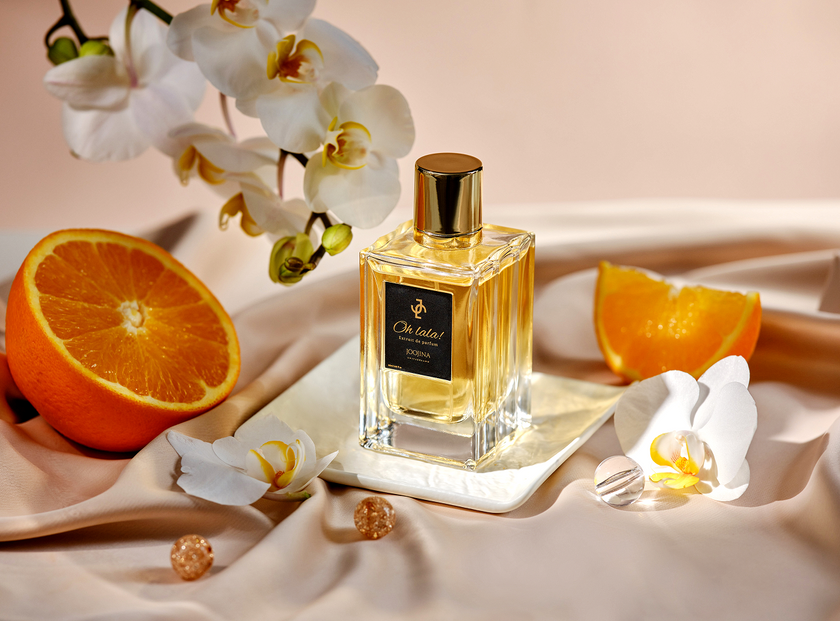
Deshalb ist jeder JOOJINA-Duft – von der selbstbewussten Ausstrahlung von YOU ARE SEXY über die fröhliche Wärme von OH LALA! und die holzige Note von Eau Boisee bis hin zur verspielten Spontaneität von Oops I Did It Again – mit einer Duftölkonzentration von 30 bis 40 % formuliert. Das bedeutet eine Haltbarkeit von bis zu 24 Stunden, einen Duft, der sich im Laufe des Tages auf Ihrer Haut wunderbar entfaltet, und eine Duftfülle, die mit geringeren Konzentrationen einfach nicht zu erreichen ist.
Wenn Sie neugierig sind, wie sich dieser Unterschied auf Ihrer Haut anfühlt, können Sie mit dem Discovery Kit alle vier Düfte für 25 Euro testen – und es enthält einen Gutschein im Wert von 25 Euro für eine Flasche in Originalgröße, sodass Sie im Grunde kostenlos testen können.
Wie man die Haltbarkeit jedes Duftes verlängert
Unabhängig von der Konzentration gibt es ein paar Dinge, die Sie tun können, um das Beste aus Ihrem Parfüm herauszuholen:
Zuerst Feuchtigkeitscreme verwenden. Duftstoffe haften besser auf gut mit Feuchtigkeit versorgter Haut. Tragen Sie vor dem Aufsprühen eine parfümfreie Lotion oder ein Körperöl auf Ihre Pulspunkte auf, und Sie werden einen deutlichen Unterschied in der Duftdauer feststellen.
Auf die Pulspunkte auftragen. Handgelenke, Hals, hinter den Ohren, Ellenbeugen – überall dort, wo Ihre Blutgefäße nahe an der Hautoberfläche liegen und Wärme erzeugen. Diese Wärme trägt dazu bei, den Duft den ganzen Tag über zu verbreiten.
Reiben Sie Ihre Handgelenke nicht aneinander. Dies ist der weltweit häufigste Fehler beim Auftragen von Parfüm. Durch das Reiben entstehen Reibung und Wärme, die die Kopfnote vorzeitig zerstören und somit die zarteste Phase der Duftentwicklung überspringen.
Richtig lagern. Bewahren Sie die Flaschen vor direkter Sonneneinstrahlung, Hitze und Feuchtigkeit geschützt auf. Ein kühles, dunkles Regal oder eine Schublade ist ideal. So bleiben die ätherischen Öle erhalten und der Duft kann sich nicht verflüchtigen.
Strategisch schichten. Eine farblich passende Bodylotion oder eine parfümfreie Feuchtigkeitscreme als Basis sorgt dafür, dass der Duft besser auf der Haut haftet.
Fazit
Der Unterschied zwischen Extrait de Parfum und Eau de Parfum ist nicht nur eine Bezeichnung – es ist ein grundlegend anderes Dufterlebnis. Eine höhere Konzentration bedeutet mehr Tiefe, längere Haltbarkeit, mehr Komplexität und eine intensivere Verbindung zwischen Duft und Haut.
Eau de Parfum ist ein wunderbares Format und für viele völlig ausreichend. Doch wenn Sie jemals von einem Duft enttäuscht waren, der zu schnell verfliegt, oder sich gewünscht haben, die volle Fülle dessen zu erleben, was der Parfümeur beabsichtigt hat, ist Extrait de Parfum die Lösung. Es ist der intensivste Ausdruck eines Duftes – die unverfälschte Version.
Und wenn man diesen Unterschied erst einmal an der eigenen Haut spürt, ist es sehr schwer, zum vorherigen Zustand zurückzukehren.
Neugierig, den Unterschied selbst zu spüren? Entdecken Sie die gesamte JOOJINA Kollektion oder beginnen Sie mit dem Discovery Kit – vier in der Schweiz hergestellte Extraits de Parfum, direkt zu Ihnen nach Hause geliefert.