The Science of Perfume: How Fragrance Really Works on Your Skin
Share
Why does the same perfume smell completely different on your best friend? Why does a single whiff of fragrance catapult you back to a childhood memory? And what exactly happens between the moment you spray perfume and the moment someone leans in closer?
As an ISIPCA-trained perfumer with experience at Chanel, Guerlain, and L'Oréal, I've spent years studying the invisible chemistry that unfolds on your skin every time you wear fragrance. The science of perfume is a fascinating intersection of organic chemistry, human biology, and neuroscience — and understanding it transforms the way you experience scent.
Here's what actually happens when perfume meets your skin.
The Fragrance Pyramid: How Perfume Notes Work
Every perfume is an architectural structure — not a single scent, but a carefully orchestrated sequence of aromatic molecules that reveal themselves over time. Perfumers call this the fragrance pyramid, and it's the foundation of how perfume works.
Top Notes (0–30 minutes)
Top notes are the first impression — the burst of scent you smell immediately after spraying. These are the lightest, most volatile molecules: citrus oils like bergamot and lemon, green notes like basil, and bright aromatics like pink pepper.
They evaporate quickly precisely because their molecular weight is low. Think of it as physics: smaller, lighter molecules escape from the skin's surface faster. That fresh, sparkling opening you love? It's already transforming within minutes.
Heart Notes (30 minutes–4 hours)
As the top notes fade, the heart — or middle — notes emerge. These are the soul of the fragrance: florals like rose, jasmine, and iris, along with spices like cardamom and cinnamon. Their molecules are heavier, so they cling to the skin longer.
In YOU ARE SEXY, for example, the heart reveals a rich floral-amber accord that develops warmth as your skin temperature interacts with these mid-weight molecules. This is the phase where most people decide whether they truly love a fragrance.
Base Notes (4–24+ hours)
Base notes are the heaviest molecules — vanilla, sandalwood, benzoin, musk, oud. They evaporate so slowly that they can linger on skin (and clothing) for an entire day or longer. These notes anchor everything above them, creating depth and longevity.
The higher the concentration of these heavy base molecules, the longer your perfume lasts. This is exactly why extrait de parfum outperforms eau de parfum and eau de toilette in longevity — it contains 30-40% aromatic compounds versus just 15-20% or 5-15%.
The Chemistry of Scent: How Perfume Is Made
Creating a perfume is applied chemistry. A single fragrance can contain 30 to 300 individual aromatic ingredients — both natural extracts and synthetic molecules — dissolved in a carrier (typically high-purity ethanol).
Natural vs. Synthetic Ingredients
Natural ingredients like rose absolute, jasmine concrete, and sandalwood oil are extracted from plant materials through distillation, enfleurage, or solvent extraction. A single kilogram of rose absolute requires approximately 3,500 kg of rose petals — which is why natural ingredients are so precious.
Synthetic molecules (called "aromachemicals") allow perfumers to create notes that don't exist in nature, achieve greater consistency between batches, and sometimes outperform naturals in specific ways. Iso E Super, for instance, creates a velvety, skin-like warmth that no single natural ingredient replicates.
The best perfumes — and this is something I learned during my years formulating at Guerlain — use both. Natural ingredients provide complexity and depth. Synthetics provide precision and creative freedom. It's never an either/or question.
Maceration: The Patience Factor
After the formula is blended, the concentrate is diluted in ethanol and left to macerate — typically for 4 to 8 weeks. During maceration, molecular bonds form between ingredients that weren't present immediately after mixing. The fragrance literally transforms, becoming rounder, smoother, and more cohesive. Rushing this step is the difference between a good perfume and a great one.
Skin Chemistry: Why Perfume Smells Different on Everyone
This is the question I hear most often: "Why does this perfume smell amazing on her but completely different on me?"
The answer is your skin chemistry — and it's genuinely complex.
Your Skin's pH Level
Human skin pH ranges from about 4.5 to 6.5. More acidic skin tends to amplify top notes and push through brighter, sharper facets of a fragrance. More alkaline skin softens everything, emphasising warmth and sweetness. This single variable can make the same perfume smell citrus-forward on one person and amber-forward on another.
Sebum and Skin Oils
Your skin's natural oils (sebum) act as a base for fragrance molecules to bind to. People with oilier skin often find that perfume lasts longer — the oil creates a surface that slows evaporation. Drier skin, conversely, provides less for the molecules to grip, which is why you might notice perfume fading faster on your arms than on your neck or chest where oil glands are more active.
Body Temperature and Circulation
Fragrance diffuses through heat. Areas where blood vessels sit close to the skin's surface — wrists, neck, behind the ears, the inner elbows — are natural "pulse points" because they're warmer. Higher skin temperature accelerates the evaporation of top notes (which is why your perfume may seem to develop faster on a hot day) and projects base notes more dramatically.
Diet, Medication, and Hormones
What you eat changes the composition of your sweat and sebum, which subtly alters how fragrance interacts with your skin. Spicy food, alcohol, certain medications, and hormonal fluctuations (menstrual cycle, pregnancy, menopause) can all shift your skin chemistry enough to change how a perfume reads.
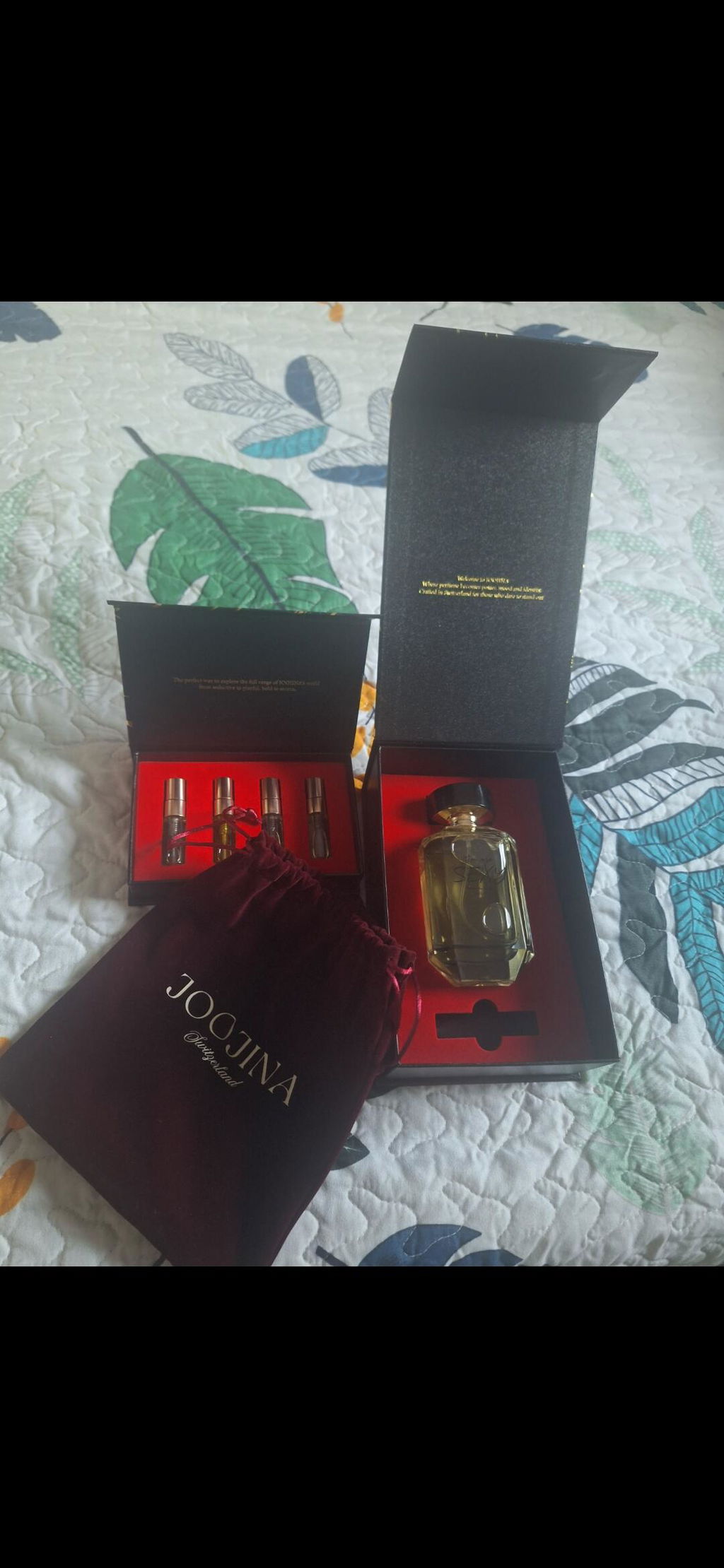
This is precisely why sampling perfume on your own skin is non-negotiable before committing to a full bottle. A paper blotter gives you the formula — your skin gives you your fragrance. Our Discovery Kit (€25) exists for exactly this reason: four extraits de parfum to wear on your skin over several days, in your real life, before you decide.
The Neuroscience of Scent: Why Fragrance Triggers Memory
There's a reason perfume makes you feel things — and it's neurological.
Your olfactory system is the only sense that routes directly to the limbic system — the brain's emotional and memory centre — without first passing through the thalamus (the relay station that processes sight, sound, and touch). When you inhale a fragrance, olfactory receptor neurons in your nasal cavity send signals straight to the amygdala (emotion) and hippocampus (memory).
This is why a scent can trigger a vivid, emotionally loaded memory before you've even consciously identified what you're smelling. Neuroscientists call this the Proust effect, named after Marcel Proust's famous passage about a madeleine cake evoking an entire childhood world.
How Many Scents Can You Detect?
Research published in Science (2014) estimates that humans can distinguish at least one trillion distinct olfactory stimuli — far more than the colours we see or the tones we hear. Your nose is, quite literally, your most powerful sensory instrument. It's just the least trained.
Scent and Emotional Regulation
Because of this direct limbic pathway, fragrance doesn't just recall memories — it actively modulates mood. Clinical studies have demonstrated that certain aromatic compounds (linalool in lavender, limonene in citrus) have measurable anxiolytic and mood-elevating effects. When you reach for a perfume because it "makes you feel confident," that's not metaphor — it's neurochemistry.
At JOOJINA, every fragrance is composed with this emotional architecture in mind. Eau Boisée, for example, opens with an energising citrus-green accord designed to trigger alertness, then settles into a warm woody-amber base that activates the same neural pathways associated with comfort and groundedness.
Concentration Matters: Why Extrait de Parfum Lasts Longer
Understanding the science of fragrance concentration demystifies one of the most common questions in perfumery: "Why does my perfume disappear after an hour?"
| Concentration | Oil % | Typical Longevity | Projection |
|---|---|---|---|
| Eau de Cologne | 2-5% | 1-2 hours | Close to skin |
| Eau de Toilette | 5-15% | 3-5 hours | Moderate |
| Eau de Parfum | 15-20% | 5-8 hours | Good |
| Extrait de Parfum | 20-40% | 8-24+ hours | Excellent |
Every JOOJINA fragrance is an extrait de parfum at 30-40% concentration — the highest tier in perfumery. At this concentration, the ratio of heavy base molecules to volatile top molecules is significantly higher. The result: your fragrance develops more slowly, lasts dramatically longer, and sits closer to the skin in an intimate scent aura rather than broadcasting aggressively.
This concentration also means you need less product per application — typically 1-2 sprays versus the 4-6 many people use with eau de toilette. Gram for gram, extrait de parfum is often more economical than it appears at shelf price.
For a deep dive into concentration differences, read our complete guide to extrait de parfum vs. eau de parfum.
How to Experience Fragrance Properly
Now that you understand the science, here's how to apply it:
1. Spray on Pulse Points
Target areas where blood vessels are close to the surface: inner wrists, sides of the neck, behind the ears, inner elbows, behind the knees. The warmth drives diffusion of the fragrance molecules throughout the day.
2. Don't Rub Your Wrists Together
This is the most common mistake. Friction generates heat too quickly, which destroys the delicate top note molecules before they can develop naturally. Spray, let it dry, and allow the fragrance pyramid to unfold at its own pace.
3. Moisturise First
Apply an unscented moisturiser before spraying perfume. The additional oils on your skin give fragrance molecules something to bind to, significantly improving longevity — especially if you have naturally dry skin.
4. Sample on Skin, Not Paper
Paper blotters are useful for a first impression, but they lack your skin chemistry, body temperature, and sebum. To truly know a fragrance, wear it for a full day. This is why discovery sets are the most reliable way to find your signature scent — you experience the complete development on your skin.
5. Give It Time
Never judge a fragrance in the first five minutes. The top notes are not the fragrance — they're the introduction. Wait at least 30 minutes for the heart to develop, and revisit after 4+ hours to meet the base. Many people reject fragrances in the store that they would have loved if they'd given the dry-down a chance.
Understanding what niche perfumery offers versus mainstream alternatives helps you appreciate why this patience is rewarded with depth and complexity you simply won't find in mass-market fragrances.
Frequently Asked Questions
How does perfume actually work?
Perfume works through evaporation. Aromatic molecules dissolved in alcohol are sprayed onto the skin. As your body heat warms the liquid, these molecules evaporate at different rates based on their molecular weight — lightest first (top notes), heaviest last (base notes). Your nose detects these airborne molecules, and your brain's limbic system interprets them as scent, emotion, and memory simultaneously.
Why does perfume smell different on everyone?
Your skin pH, natural oil production, body temperature, diet, hormones, and even medications create a unique biochemical environment. Fragrance molecules interact with these variables, which is why the same perfume can smell citrusy and bright on one person and warm and sweet on another. The only way to know how a fragrance works on you is to wear it on your own skin.
What is the fragrance pyramid?
The fragrance pyramid is the structural model perfumers use to describe how a scent develops over time. Top notes (lightest molecules) appear first and fade within 30 minutes. Heart notes (medium-weight molecules) emerge next and last several hours. Base notes (heaviest molecules) anchor the fragrance and can persist for 8-24+ hours. Together, they create the evolving experience of wearing perfume.
How long does it take for perfume to fully develop on skin?
A perfume typically takes 30-60 minutes to move through its top notes into the heart. The full development — including the base — can take 2-4 hours. Extrait de parfum concentrations develop more slowly than eau de toilette because the higher proportion of heavy molecules takes longer to warm and diffuse. This is why perfumers recommend wearing a fragrance for a full day before making a judgment.
Does skin type affect how long perfume lasts?
Yes, significantly. Oily skin provides a natural base for fragrance molecules to bind to, which slows their evaporation and extends longevity. Dry skin has less surface oil, so molecules evaporate faster. If you have dry skin, applying an unscented moisturiser before your perfume — or choosing a higher concentration like extrait de parfum — can dramatically improve how long your fragrance lasts.